
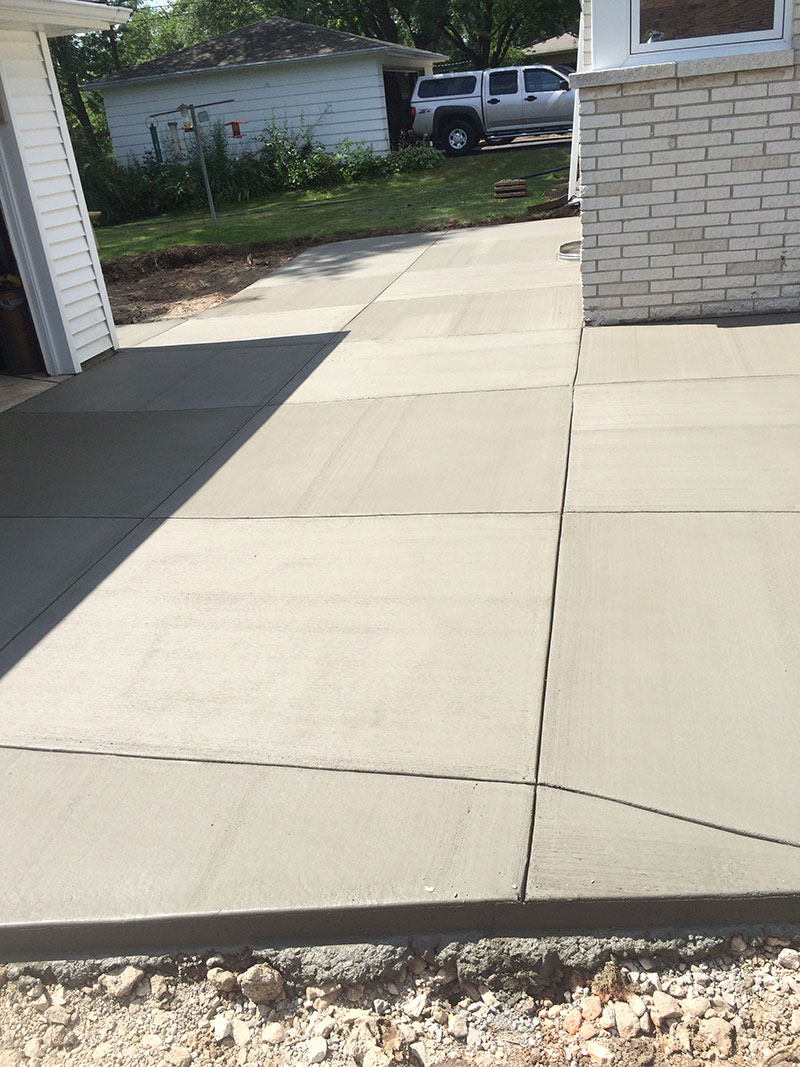
Timeline for a New Concrete Patio From Planning to Final Cure
You know where the grill should go. You have a spot picked out for the table, chairs, and maybe a fire pit. Now the question is simple: how long will your yard be tied up before the patio is ready to use?
If you are planning a new concrete patio in Milwaukee, the timeline matters. Weather, yard access, patio size, finish style, and curing time can all affect when the project starts and when your outdoor space is ready for regular use. A clear schedule helps you plan around family gatherings, landscaping, pets, kids, and the busy Wisconsin outdoor season.
How Long Does a New Concrete Patio Take?
A new concrete patio often takes about one to two weeks from final planning to the pour, depending on scheduling, weather, site prep, size, and finish choice. After the pour, many patios can handle light foot traffic in 24 to 48 hours, but the concrete keeps gaining strength for several weeks. The first week is the most important curing window, while 28 days is the common planning point for a full cure.
What Should Happen Before the Patio Is Poured?
A strong patio starts before any concrete is delivered. The planning stage helps confirm where the patio should go, how large it should be, how water will drain, and what finish best fits the home.
During an estimate, we look at doors, steps, slopes, downspouts, landscaping, yard access, and how the patio will connect to the rest of the home. These details matter because a patio should feel natural in the yard, not like an afterthought.
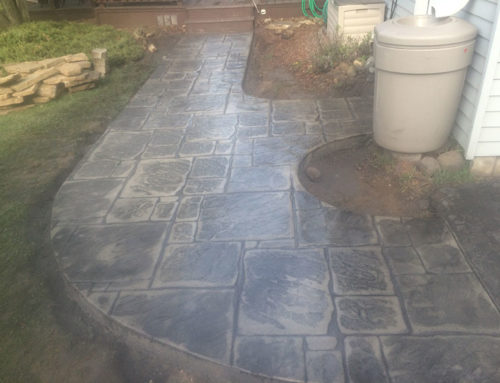
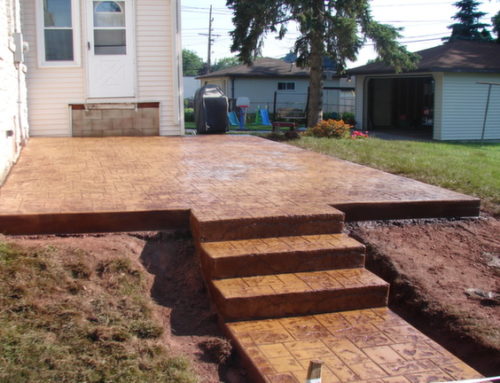
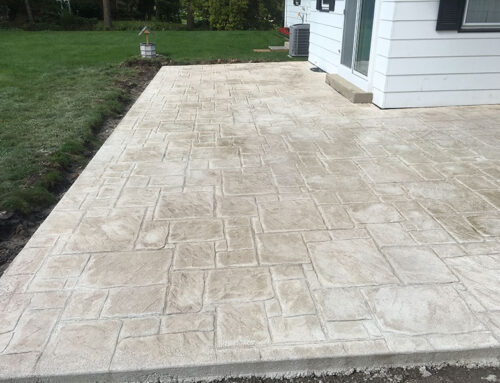
Planning may also include choosing between a simple brushed concrete patio, stamped concrete, colored concrete, or a patio with borders. A basic rectangle may move faster than a curved or decorative design. A stamped concrete patio may need more layout and finishing time because the pattern, color, and texture need to be planned before the pour.
Common details that can affect the timeline include:
- Patio size and shape
- Yard access for equipment
- Grade and drainage needs
- Brushed, stamped, colored, or bordered concrete
- Existing materials that need to be cleared
- Weather in Milwaukee and the surrounding area
What Happens During Prep and Pour Day?
Prep work gives the patio its shape and support. This step can include marking the layout, preparing the area, setting forms, adjusting the base, and checking pitch so water moves away from the home.
Drainage is especially important in Wisconsin. Water that sits near a patio can cause problems during freeze-thaw cycles. A well-planned patio should guide water in the right direction and sit at a grade that works with the yard.
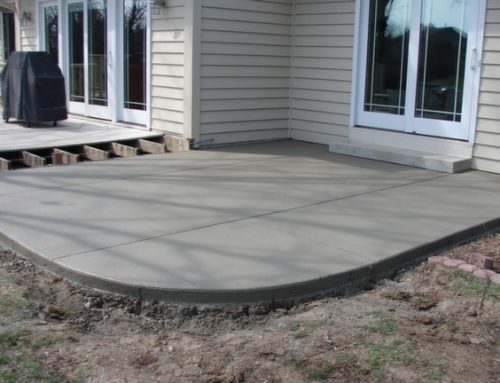
On pour day, the concrete is placed, leveled, and finished. For a brushed concrete patio, the surface gets a clean texture that works well for everyday backyard use. For stamped or colored concrete, the finishing process may take longer because the design work happens while the concrete is still workable.
Control joints may also be added to help guide natural movement as the concrete expands and contracts. Concrete is a strong material, but it still responds to temperature changes, moisture, and seasonal shifts. Careful layout and finishing help the patio hold up better over time.
How Long Should Concrete Cure Before You Use the Patio?
Curing helps concrete gain strength after it is placed. It does not happen all at once. Even when the surface looks finished, the slab is still changing below the surface.
Here is a simple patio curing timeline for most homeowners:
| Time After Pour | What It Usually Means |
| First 24 hours | Stay off the patio and keep pets, kids, and furniture away. |
| 24 to 48 hours | Light foot traffic may be allowed if conditions are right. |
| First 7 days | Use extra care. Avoid dragging furniture, placing heavy items, or setting up grills too soon. |
| Around 28 days | Concrete is commonly treated as fully cured for regular use and heavier patio items. |
These are general planning guidelines. Your patio may need different instructions based on the weather, finish, mix, and site conditions. That is why we give homeowners clear care directions after the pour.
Milwaukee weather can change quickly, especially in spring and fall. Cool nights, rain, high heat, or direct sun can affect how concrete sets and cures. A good schedule accounts for the forecast instead of rushing the pour into poor conditions.
When This Timeline Matters Most
A patio timeline matters most when the project affects how you use your home. If you are planning graduation parties, summer cookouts, family visits, or landscaping work, the concrete schedule should be part of the larger plan.
This is especially useful when:
- You want the patio ready before a holiday or event
- You are adding landscaping, fencing, or a pergola after the patio
- Your yard has a slope or drainage concern
- You want stamped, colored, or bordered concrete
- You have pets or kids who need a safe route through the yard
- You are creating an outdoor dining or grilling space
A smaller, simple patio in an open yard may have a shorter timeline. A larger backyard concrete patio with curves, decorative finishes, steps, or tighter access may need more planning before the pour.
Homeowners benefit most from a clear timeline when the patio is part of a larger backyard update. This may include a new seating area, a cleaner path from the back door, grilling space, landscaping, steps, or walkways nearby.
Brushed, Stamped, or Colored Concrete: Which Timeline Fits Your Patio?
The finish you choose can change the schedule. Some patio styles are more direct, while others need more design and finishing time.
| Patio Option | Best For | Timeline Note |
| Brushed concrete patio | Simple outdoor living, grilling, dining, and clean backyard space | Often the most direct option because the finish is straightforward. |
| Stamped concrete patio | Homeowners who want the look of stone, brick, slate, or a decorative pattern | May need more planning, layout, color work, and sealing time. |
| Colored concrete patio | Homes where the patio should connect with exterior colors or landscape features | May add planning time so the color works with the home and design. |
| Concrete borders | Patios that need a finished edge or added design detail | May add layout time, especially with curves or decorative shapes. |
No single finish is right for every home. The right choice depends on how you use the patio, how much design detail you want, and how the patio fits with the house and yard.
Concrete patios are common for homes because they create a permanent outdoor surface for furniture, foot traffic, grilling, and everyday use. Homeowners also choose concrete because it can be simple and practical or more decorative with stamped patterns, color, and borders.
Start Your Patio With a Clear Plan
A new concrete patio should feel planned from the first estimate to the final cure. When you understand the timeline, it is easier to choose the right finish, plan around your yard, and know when the space will be ready to use.
If you are planning a concrete patio in Milwaukee or the surrounding area, JBS Construction can help you map out the next steps. Tell us what you have in mind for your backyard, and we can walk through your options, timeline, and free estimate.