
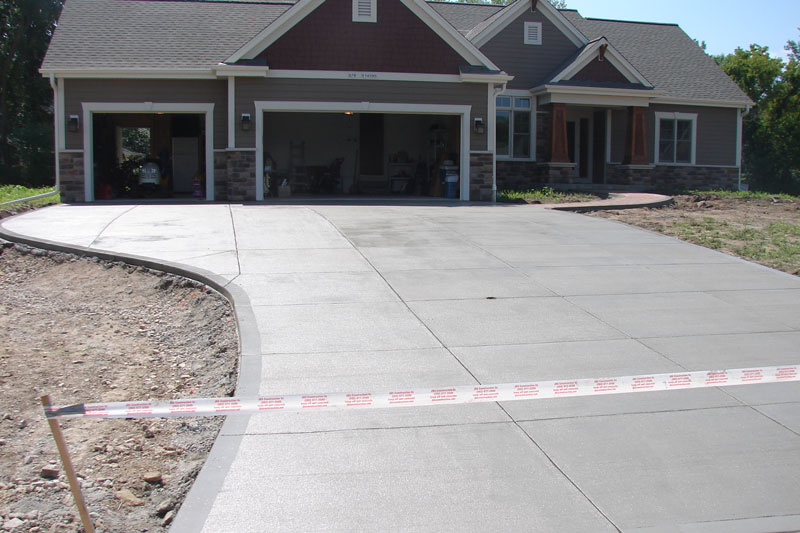
A new concrete project can feel simple at first. You know you want a stronger patio, a better garage floor, a cleaner walkway, or a more useful space around your home. Then the questions start. How deep does the base need to be? How long does the project take? What happens before the concrete truck shows up?
For homeowners planning a poured concrete slab in the Milwaukee and surrounding area, the process matters just as much as the concrete itself. Wisconsin weather, drainage, soil movement, and daily use all play a role in how well the finished slab holds up. At JBS Construction, we look at those details before the pour starts so the final result is built for the way your home is actually used.
What Happens During a Concrete Slab Installation?
A poured concrete slab installation usually starts with a site review, layout planning, excavation, base preparation, forming, reinforcement, pouring, finishing, and curing. Each step helps create a flat, stable surface for patios, garage floors, sidewalks, driveways, and other residential concrete areas. The quality of the prep work often has the biggest impact on how the slab performs over time.
What Gets Checked Before a Poured Concrete Slab Is Installed?
Before we start digging or forming, we look at how the space needs to function. A backyard patio has different needs than a garage floor. A walkway may need a clear path from one area to another. A driveway slab has to handle vehicles, snow removal, and regular traffic.
We also review the grade of the property. Water needs a place to go. If a slab is placed without proper slope, rain and melting snow can collect in the wrong areas. That can create puddles near the home, slippery spots, or extra stress on the concrete during freeze and thaw cycles.
Soil conditions matter too. Some areas around Milwaukee have soil that shifts more than others. If the ground below the slab is not prepared correctly, the finished concrete may settle unevenly. That is why the first step is never just measuring the surface. It is understanding what sits below it.
How Is the Site Prepared Before Concrete Is Poured?
Site preparation starts with clearing and excavation. Grass, old material, soft soil, and debris are removed from the project area. The goal is to reach a stable base that can support the new slab.
Once the area is opened up, the base is shaped and compacted. A solid base helps spread weight evenly across the slab. For many residential projects, this may include a layer of compacted stone or gravel. This layer supports drainage and helps reduce movement under the concrete.
Forms are then set around the slab area. These forms create the shape, edges, and height of the slab. This step is especially important for spaces that connect to garages, steps, driveways, or existing walkways. Small layout choices can make a big difference in how the finished area looks and feels.
What Happens on Pour Day?
Pour day is when the project starts to look like a finished concrete surface. The concrete is placed into the prepared forms, then spread across the area at the right depth.
From there, the concrete is leveled and worked into place. This step takes timing and attention because concrete begins to set after it is poured. The surface needs to be shaped before it gets too firm.
Depending on the project, the slab may receive a broom finish, smooth finish, or decorative finish. A broom finish is common for outdoor surfaces because it gives the concrete texture. That added texture can help with traction, which matters for patios, sidewalks, and driveways during wet or snowy weather.
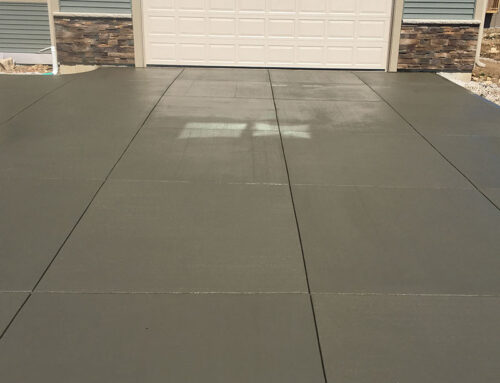
Control joints may also be added. These joints help guide where concrete naturally moves as it expands, contracts, and cures. Concrete is strong, but it still reacts to weather and temperature changes. Joint placement helps manage that movement in a cleaner, more planned way.
What Makes One Slab Different From Another?
Not every slab is built the same way. The right setup depends on use, location, and load.
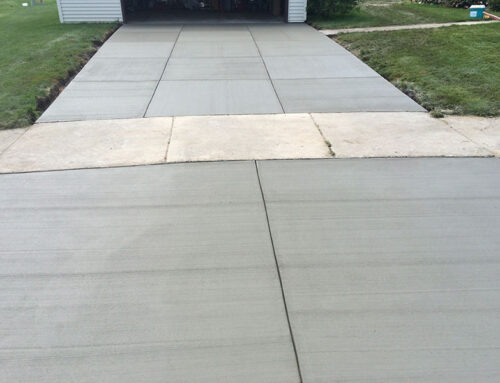
A patio slab is usually designed for outdoor living. It needs proper slope, a comfortable layout, and a finish that fits the look of the home. A garage floor slab has to handle vehicles, storage, and daily wear. A sidewalk or walkway slab needs a safe walking path and a smooth connection between spaces.
Thickness can also vary based on the project. A slab that supports heavier use may need a different depth or reinforcement plan than a smaller patio. Reinforcement, such as rebar or wire mesh, may be used when the project calls for added support.
The main difference comes down to purpose. A good concrete slab is not just poured flat. It is planned around how the homeowner will use the space once the work is complete.
Poured Concrete Slab vs. Pavers: Which Makes More Sense?
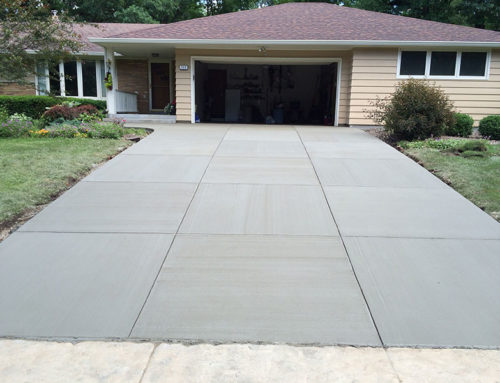
A poured concrete slab creates one continuous surface. This can make it a strong choice for garages, driveways, patios, walkways, and areas where a clean, solid surface is preferred. It can also be finished in different ways, including standard broom finishes or decorative concrete options.
Pavers are individual units placed together over a prepared base. They can offer a different look and may work well for certain landscape designs. However, pavers can shift over time if the base moves, and weeds may grow between joints if the area is not maintained.
For homeowners who want a stable, low-maintenance surface that works well for everyday use, poured concrete is often a practical choice. For spaces where a more segmented design is the main goal, pavers may be considered. The best choice depends on how the area will be used, how much upkeep the homeowner wants, and the look they prefer.
When This Matters For Your Home
A new concrete slab is worth considering when you need a stable surface for a patio, garage floor, driveway section, walkway, shed base, or outdoor living area. It can also make sense when a space feels unfinished, uneven, muddy, or difficult to use after rain.
This type of project may matter even more if your home has drainage concerns. In the Milwaukee area, melting snow and spring rain can make poor grading more obvious. A properly planned slab can help create a cleaner, more useful surface while directing water away from problem spots.
A poured slab may not be needed if the area is already stable, drains well, and supports your daily use without issues. It may also be the wrong fit if the project needs a completely different material for design reasons. The best way to know is to look at the space, the soil, the slope, and the purpose of the project together.
When a New Concrete Slab Makes Daily Life Easier
A poured concrete slab is a strong fit for homeowners who want a more reliable space outside or around the home. This may include a family that wants a patio for seating and grilling, a homeowner who needs a cleaner walkway to the garage, or someone planning a stronger surface for vehicles or equipment.
It also works well for homeowners who want a finished surface that feels practical and permanent. Concrete is commonly used for residential driveways, garage floors, patios, sidewalks, parking areas, and decorative outdoor spaces because it can handle regular use and fit many home styles.
For many homes, the value lies in the mix of strength, functionality, and a clean appearance. A slab can turn an underused part of the property into a space that feels complete.
Why Proper Installation Matters From the Ground Up
Concrete has been trusted in residential construction for years because it can support weight, handle daily use, and create clean, usable surfaces. But the finished slab is only as dependable as the steps behind it.
The base, slope, forms, reinforcement, pour timing, finish, and curing all work together. Skipping details early can lead to problems later. Careful planning helps the slab match the home, the property, and the intended use of the space.
At JBS Construction, we focus on the details homeowners may not think about right away. That includes how water moves, how the slab connects to nearby surfaces, what finish makes sense, and how the project fits into the rest of the property.
Start Your Concrete Slab Project With a Clear Plan
A poured concrete slab can add strength, function, and a cleaner finished look to your home when it is installed with the right planning from start to finish. For homeowners in the Milwaukee and surrounding area, the best results come from understanding the site, preparing the base correctly, and choosing the right finish for daily use.
If you are planning a new patio, garage floor, walkway, driveway, or other concrete surface, our team at JBS Construction can help you discuss the options and plan the next step with confidence.