
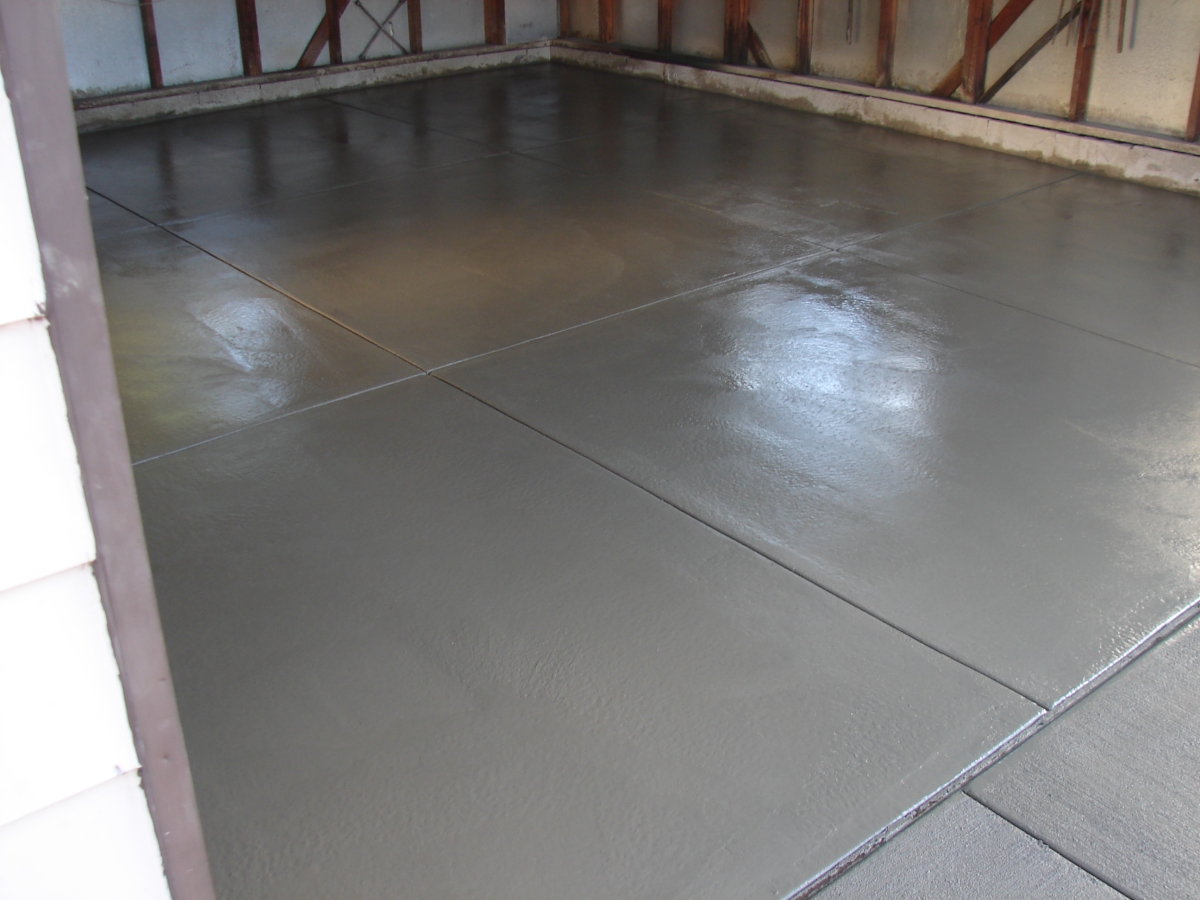
A strong concrete slab for a garage starts well before the concrete is poured. In Milwaukee and the surrounding areas, spring soil conditions play a major role in how that slab performs over time. At JBS Construction, we work with homeowners who want a garage floor that stays level, drains properly, and holds up through seasonal changes. Understanding what happens beneath the surface helps prevent future issues and sets the foundation for long-term durability.
Why Spring Soil Conditions Matter for a Concrete Slab for a Garage
Spring brings thawing ground, excess moisture, and shifting soil. After a long winter, the ground often holds water from melting snow and rain. This can create soft or unstable conditions under which your concrete slab for a garage will sit.
If a slab is poured on wet or poorly compacted soil, it can settle unevenly. That leads to cracks, drainage problems, and uneven surfaces inside the garage. In this region, freeze and thaw cycles make this even more important. Soil expands when frozen and contracts when it thaws, which can affect how well the slab stays supported.
We take time to evaluate soil conditions before any work begins. That includes checking moisture levels, identifying weak spots, and planning proper site preparation. This step helps avoid problems that can show up months or even years later.
How Proper Site Preparation Supports Long-Term Performance
A reliable garage floor starts with solid preparation. Before pouring concrete, we remove unstable soil and replace it with a compacted base. This base is typically made of gravel or stone, which allows water to drain away from the slab.
Compaction is a key part of the process. When the base is packed correctly, it creates a stable surface that supports the weight of the concrete and anything placed on it. This is especially important for garages that will hold vehicles, tools, and equipment.
We also plan for grading and drainage. Water should move away from the slab, not toward it. Proper grading helps prevent water from pooling under or around the garage, which reduces the risk of shifting or settling over time.
Common Issues Caused by Poor Spring Installation Timing
Timing matters when installing a concrete garage floor. Pouring too early in the season, when the ground is still saturated, can lead to long-term issues. Even if the surface looks dry, the soil underneath may still hold moisture.
Some common problems include:
- Uneven settling that causes the slab to slope or sink
- Cracking due to movement in the soil below
- Poor drainage that leads to water buildup around the garage
At JBS Construction, we guide homeowners on the right timing for installation. In some cases, waiting a short time allows the ground to dry and stabilize, resulting in better results.
What Homeowners Can Expect From JBS Construction
Every project starts with a clear plan based on site conditions. We take the time to understand the property, the soil, and how the garage will be used. This helps us recommend the right approach for a concrete slab installation.
Our team focuses on:
- Proper excavation and base preparation
- Careful grading to manage water flow
- Accurate forming and pouring for a level surface
- Reinforcement methods that support long-term strength
Building a Strong Foundation for Your Garage
A well-built concrete slab for a garage depends on what happens below the surface just as much as what you see on top. In Milwaukee and surrounding areas, spring soil conditions can make or break the success of your garage floor. By addressing moisture, compaction, and timing, JBS Construction helps homeowners create a stable foundation that lasts.
If you are planning a new garage or replacing an old one, contact our Milwaukee area specialists for a quote on a concrete slab for a garage.